


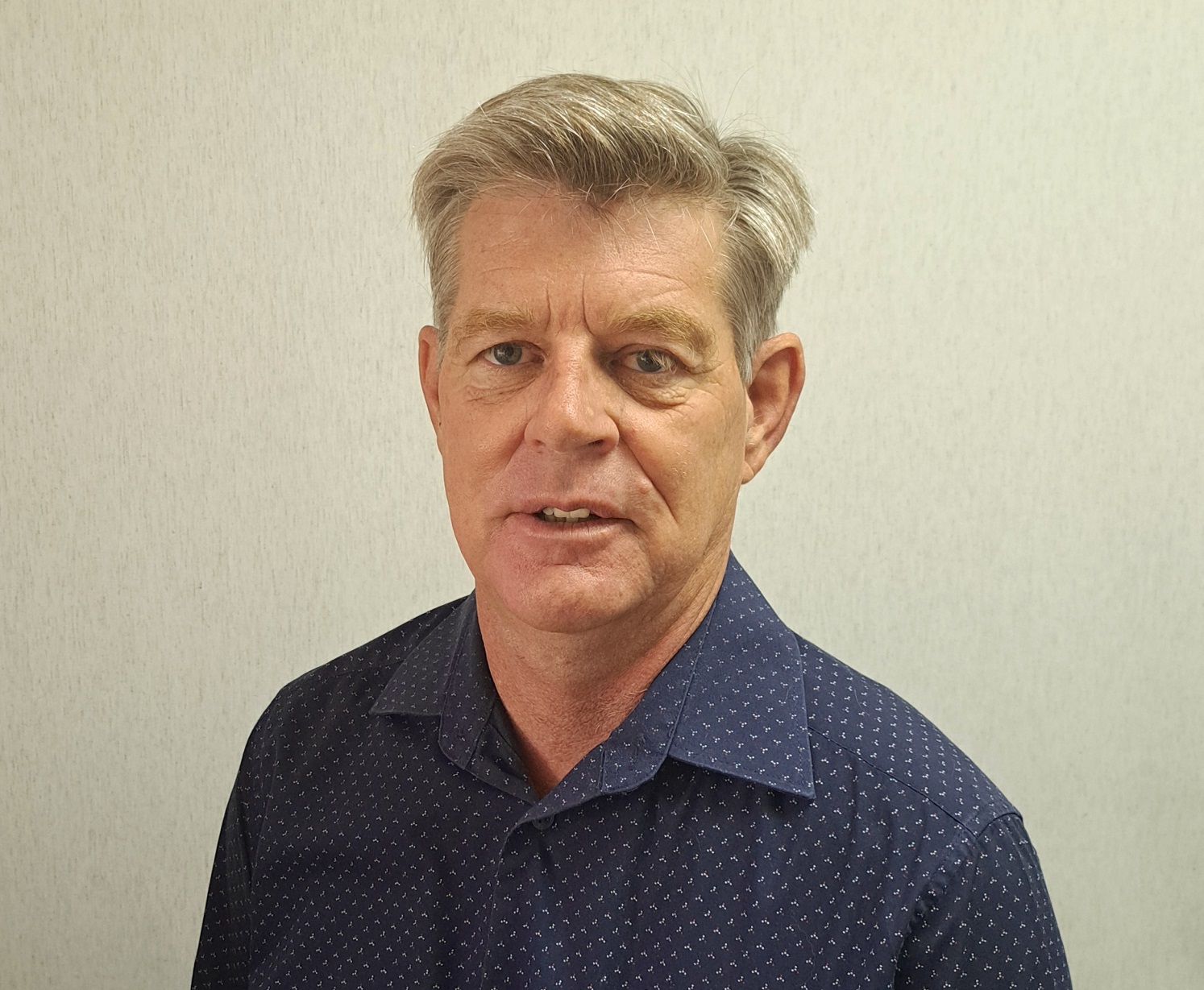
Strategic partnerships carry and add value across the entire industry – and those between steel fabricators and hot dip galvanizers provide invaluable opportunities toimprove efficiencies and quality control, says Robin Clarke, Executive Director of the Hot Dip Galvanizers AssociationSouthern Africa (HDGASA).
“If wewant to be globally competitive, it is imperative that all in the South African steel industry work together. Balanced vertical integration is key. Through developing cohesively integrated relationships - where we actively take ownership of the outcomes - we will create the economies of scale required to deliver quality at the correct cost,” Clarke maintains.
Balanced integration
In the context of the fabrication and galvanizing sectors, Clarke explains that although the ultimate vertical integration is predicated upon capital investment and equity, a wider variety of options to partner or collaborate can be put on the table: “Vertical integration happens when companies take ownership of suppliers,their own conversion process, as well as distribution - thereby increasing productionefficiencies and improvingcost and quality control, for the benefit of mutual customers.”
Despite this impressive array of potential benefits, there are also some challenges for those seeking equity partnerships. These include access to upfront capital for both shareholders - and investment in specialised technology required for different applications (galvanizing of fasteners versus larger poles for example); as well as potential misperceptionsaround the creation of monopolies.
“Bearing all this in mind, balanced integration is required to exclude the risk of over-specialisation, to take into account changing marketconditions and to ensureindustryversatility.
As Africa offers moderate steel product volumes with diverserequirements, retaining the flexibility to pivot and take advantage of a wider variety of opportunities within the marketis important,”Clarke acknowledges.
Despitesome challenges, the benefits of balanced vertical integration are manifold.
“Hot dip galvanizing provides corrosion control for steel and iron articles. So, the typical workflow may be the design of the steel article, sourcing of the steel best suited to galvanizing, the fabrication of the article, the hot dip galvanizing process itself and, finally, distribution to the site - upon which the customer takes ownership. It is imperative that each phase along this value chain operates at optimal efficiency to achieve global competitiveness,”he explains.
Successful vertical integration
Clarke points out that there are already local examples of successful vertical integration. Fabricators of transmission towers and road furniture have added galvanizing capacity to their manufacturing processes.
“Furthermore, there are joint ventures in the manufacturing and galvanizing of earth retention parts for mining and road construction - as well as in the fastenerssector,” he observes.
Some galvanizers also offerpaint solutions and can specify duplex coating options for extremely corrosive environments.
Horizontal integration
Examples of horizontal – or sideways - integration within the galvanizing sector include co-operation between galvanizes and processors of zinc ash and dross for conversion into zinc- based products such as fertilizers, pharmaceuticals and chemical additives- and the reprocessing of spent pickling acid for re-use.
Beyond fabrication
On large projects, Clarke proposes thatservice providers considerteamingup in the spirit of integration - thereby achieving the necessary economies of scale, and improving their respective logistical efficiencies.
Through being fully aligned, stakeholders can extend this beyond simply securing the contract: “If you have a single point of responsibility in a vertically integrated chain, purchasing power increases- as does the speed and efficiency of production. Also, an integrated quality control system spans the entire project interface, minimising disputes and expediting resolutions to potential problems – all of which is ultimately beneficial to customers ” he continues.
The HDGASA has found that this also facilitates effective standards and quality training of integrated and aligned teams: “We are still providing the same information, but we are now talking to a wider and better alignedaudience.
In this way, it is possible to ensure that standards and quality are specified and agreed upfront. When that happens – and in much the same way as successful vertical integration does – quality standards run like golden threads pulling the various stakeholders in the steel value chain closer together,” Clarke concludes.