


How Traxtion is building South Africa’s next generation of rail talent
At 22, Amahle Kogina walks into Traxtion’s workshop each morning knowing she is entering a space where few young women have traditionally seen themselves.
Just a few years ago, financial constraints forced her to pause her electrical engineering studies. Today, she is one of nine apprentices selected for the private rail operator’s 2026 Diesel Electrical Fitter Apprenticeship Programme, gaining hands-on experience in one of South Africa’s most technically demanding industries.
At the other end of that same journey is 29-year-old Jordan Botha.
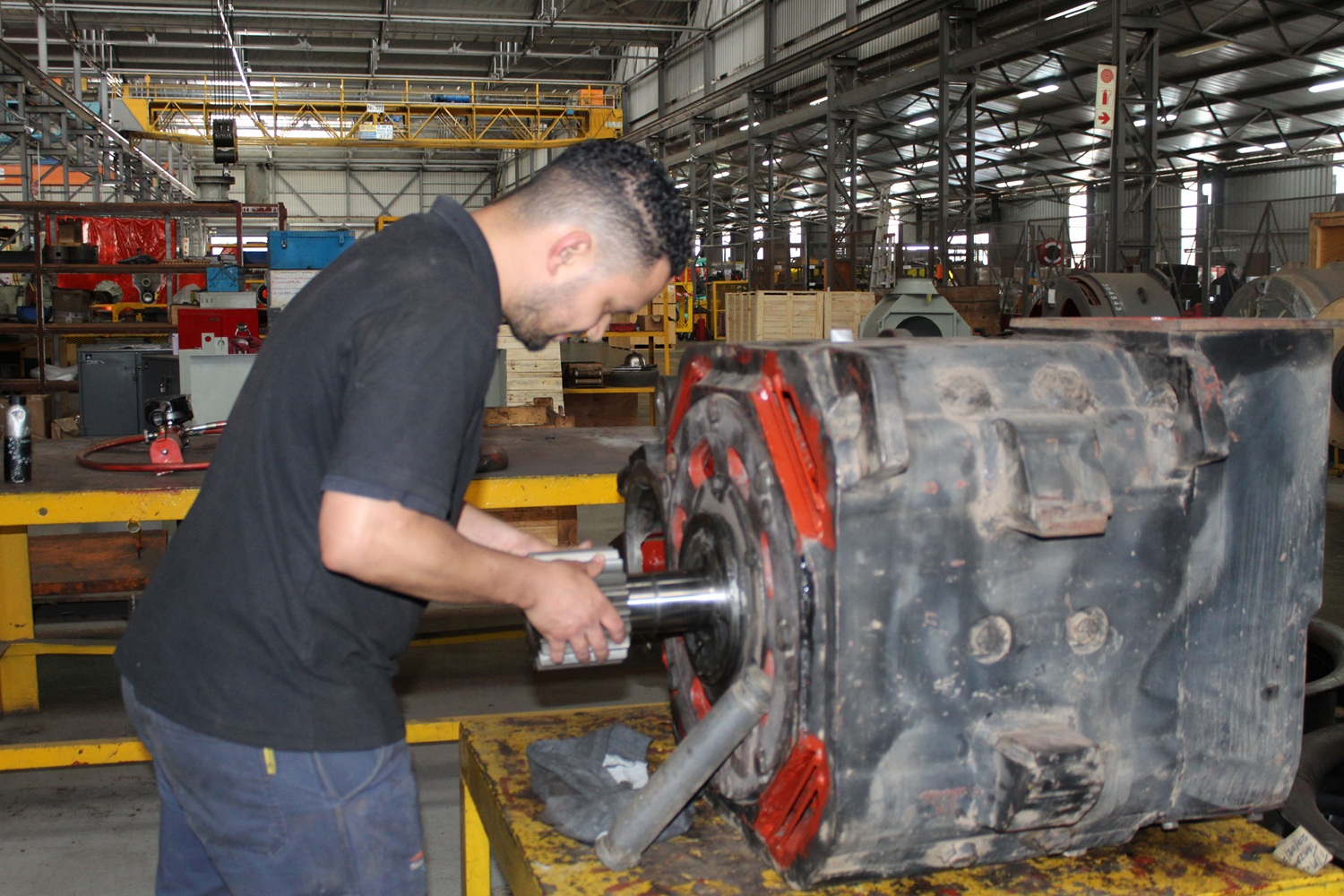
After completing the apprenticeship programme and qualifying as a diesel electrician, Botha is now working on locomotive servicing and technical field projects across Southern Africa, including assignments in Angola and Tanzania.
Together, their stories reflect the importance of creating pathways that connect opportunity to employment for young South Africans.
According to Statistics South Africa’s latest labour force data, youth unemployment remains critically high, particularly among young people aged 15 to 24. For many, the challenge is not willingness to work, but access to practical experience, mentorship, and skills development opportunities.
Building the skills pipeline
Nnoni Mohlaphuli, Traxtion’s Brand, Communications and Marketing Manager says the skills South Africa’s rail and engineering sectors must be deliberately developed.
“Our apprenticeship programme is about creating sustainable opportunities for young people while building the future skills pipeline our industry urgently needs. When young people are given training, mentorship, and exposure, they gain confidence, purpose, and the ability to build long-term careers.”
South Africa’s rail and engineering sectors continue to face widening technical skills gaps and ageing artisan workforces, making skills development increasingly important to the future of rail infrastructure and transport across the region.
Traxtion says its programme is designed to address that challenge by combining technical training, workplace exposure, and mentorship.
Breaking barriers in technical industries
For Kogina, one of the biggest motivations behind joining the programme was seeing women represented within the industry.
“What inspired me to apply was Traxtion’s commitment to creating opportunities for women in the rail industry,” she says. “I wanted to be part of a company that is actively trying to increase representation and show young women that they also belong in technical environments.”
While entering the workshop environment initially felt intimidating, Kogina says mentorship and practical experience have helped build her confidence.
“The first time I walked into the workshop and saw all the machinery, I was nervous,” she says.
“But meeting other female artisans and hearing their experiences motivated me. Every day I learn something new, and my confidence continues to grow.”
Her days now include safety briefings, technical inspections, team meetings, and practical work on locomotives alongside experienced artisans.
“Apprenticeships are important because they give young people practical experience and exposure,” she says. “Many young people have an education, but struggle to gain workplace experience. Programmes like this help young people develop skills, become employable, and contribute positively to the economy.”
From apprentice to artisan
For Botha, who recently completed the programme, the apprenticeship provided the foundation for a career already taking him across the continent.
“One of the biggest lessons I learned during my apprenticeship was discipline, patience, and attention to detail,” he says. “Working on locomotives teaches you very quickly that safety and quality are critical.”
Since qualifying, Botha has worked on international rail projects and locomotive servicing assignments, experiences he says would not have been possible without the apprenticeship programme.
“Apprenticeships give young people another pathway into successful careers,” he says. “Not everybody has the opportunity to attend university, but skills development programmes create real opportunities to learn, grow, and build a future.”
He says mentorship and workplace support remain essential within technical industries.
“You never stop learning in this environment. Experienced artisans guide you, challenge you, and help you grow. This support makes a huge difference,” says Botha.
As South Africa marks Youth Month, both apprentices believe young people need access to meaningful opportunities beyond encouragement.
“Young people, especially young women, should not limit themselves because of fear or stereotypes. Confidence grows with experience and exposure,” says Kogina.
For Traxtion, investing in apprenticeships is not simply a Youth Month initiative but a long-term investment in the future of South Africa’s rail industry and the young people who will help drive it forward.