


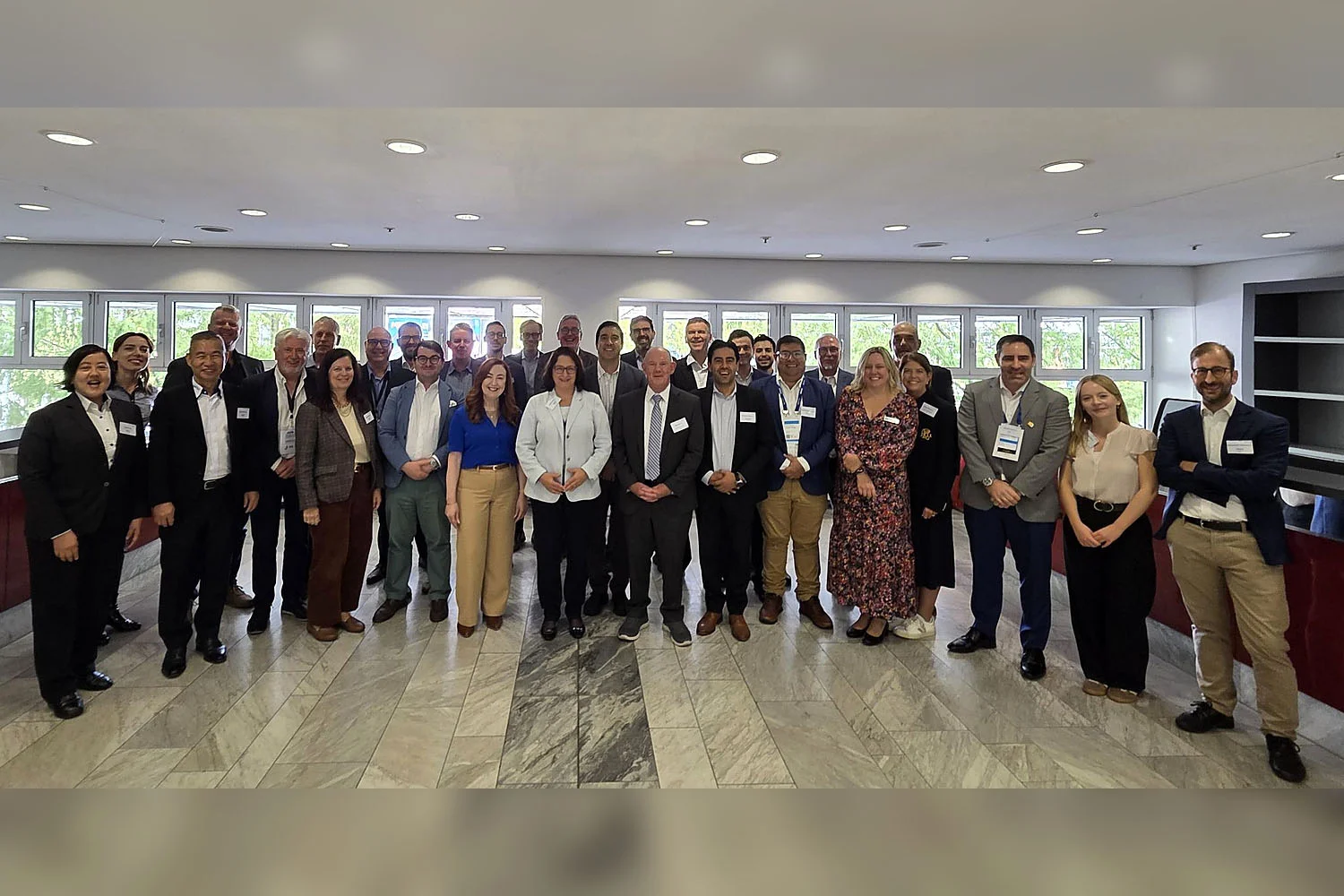
South Africa’s Right to Repair movement was represented on the global stage this month when representatives of Motor Industry Workshop Association (MIWA) and Right to Repair South Africa (R2RSA) joined automotive aftermarket organisationsfrom across the world at the Right to Repair Global meeting at Automechanika Frankfurt.
MIWA National Director Pieter Niemand, National Chairman Dewald Ranft, Les McMaster, MIWA Central Region Committee member as well as Right to Repair CEO, Kate Elliott, accompanied by R2RSA Chairman, Gunther Schmitz represented South Africaat the international gathering, which brought together representatives from Europe, North and South America, Africa, Asia and Oceania to exchange experiences, discuss developments in their respective markets and consider the future of independent vehicle repair.
The meeting was jointly hosted by FIGIEFA and the Auto Care Association under the theme “Maintaining Engagement and Momentum”, reflecting the continuing evolution of Right to Repair initiatives globally.
For South Africa, the discussions have particular relevance as the country's automotive aftermarket continues to play an important role in the economy and in keeping the national vehicle parc mobile.
The aftermarket employs approximately 310 000 people and contributes around 2.8% to South Africa’s GDP. (source: MIBCO). With an estimated 13 million vehicles on the country’s roads, the need for accessible, competitive and appropriatelyskilled repair and maintenance services will only continue throughout the lifetime of these vehicles.
“Right to Repair is not simply about the ability to repair a vehicle. It is about ensuring that consumers have meaningful choice and that independent businesses have a fair opportunity to compete as vehicles become increasingly sophisticated,”says Pieter Niemand, National Director of MIWA.
A global issue with increasingly local implications
The Frankfurt meeting highlighted how the Right to Repair debate is evolving well beyond traditional access to mechanical repair information.
Delegates shared developments from their respective countries, ranging from awareness campaigns and coalition-building to legislative proposals, regulatory reviews and enforcement initiatives.
A common theme was the rapid digitalisation of the vehicle and its impact on the independent aftermarket.
Access to technical information, vehicle data, telematics, parts coding and software functions is becoming increasingly important to the ability of independent workshops to diagnose, service and repair modern vehicles.
Electrification and connectivity are accelerating this change. “Technology is transforming the vehicle and, in turn, transforming what it means to repair and maintain one,” says Niemand. “Independent workshops need access to the information,tools and data required to work safely and effectively on these vehicles. Without that access, consumer choice can become increasingly restricted, even where a physical repair is technically possible.”
The international discussions also reinforced the importance of sustained engagement, evidence-based advocacy and collaboration between industry stakeholders as Right to Repair initiatives mature.
For South Africa, the global conversation provides an opportunity to compare local developments with experiences in other markets while ensuring that the country's own regulatory and market conditions remain central to the debate.
Keeping consumers and independent businesses at the centre
The global Right to Repair community reaffirmed the importance of a competitive automotive aftermarket in providing consumers with choice and access to affordable, quality repair and maintenance services.
For South African motorists, this means retaining the ability to choose where their vehicles are serviced and repaired, while ensuring that independent workshops can access the information and technology necessary to provide those services.“We are proud of the fact that we are one of a few countries that have successfully ensured that motor vehicle owners’ right to choose is protected in South Africa, through our campaigning for the Guidelines for Competition in the South African AutomotiveAftermarket industry (The Guidelines). We hope that the Guidelines can act as a model for similar legislation and/or guidelines in other countries in order to level the playing field and keep the consumer at the heart of decision-making across the transportationecosystem,” adds Kate Elliott, CEO of Right to Repair SA.
“The Guidelines have opened up the market and paved the way for Government to support and drive growth and transformation and have made the automotive aftermarket a fairer place to do business,” she says.
MIWA says its participation in the global meeting reinforces the value of South Africa having a voice in international Right to Repair discussions. While regulatory frameworks and market conditions differ from country to country, many ofthe challenges facing independent repairers are increasingly shared across borders.
“South Africa is not operating in isolation,” says Niemand. “The challenges being discussed internationally around vehicle data, connectivity, coding and access to repair information are becoming increasingly relevant here too. Engagementwith the global Right to Repair community allows us to learn from other markets while contributing our own experience.”
As vehicle technology continues to evolve, MIWA and R2RSA will continue to support initiatives aimed at preserving consumer choice, promoting fair competition and ensuring that South Africa’s independent aftermarket remains equipped toservice the vehicles of today and tomorrow.