


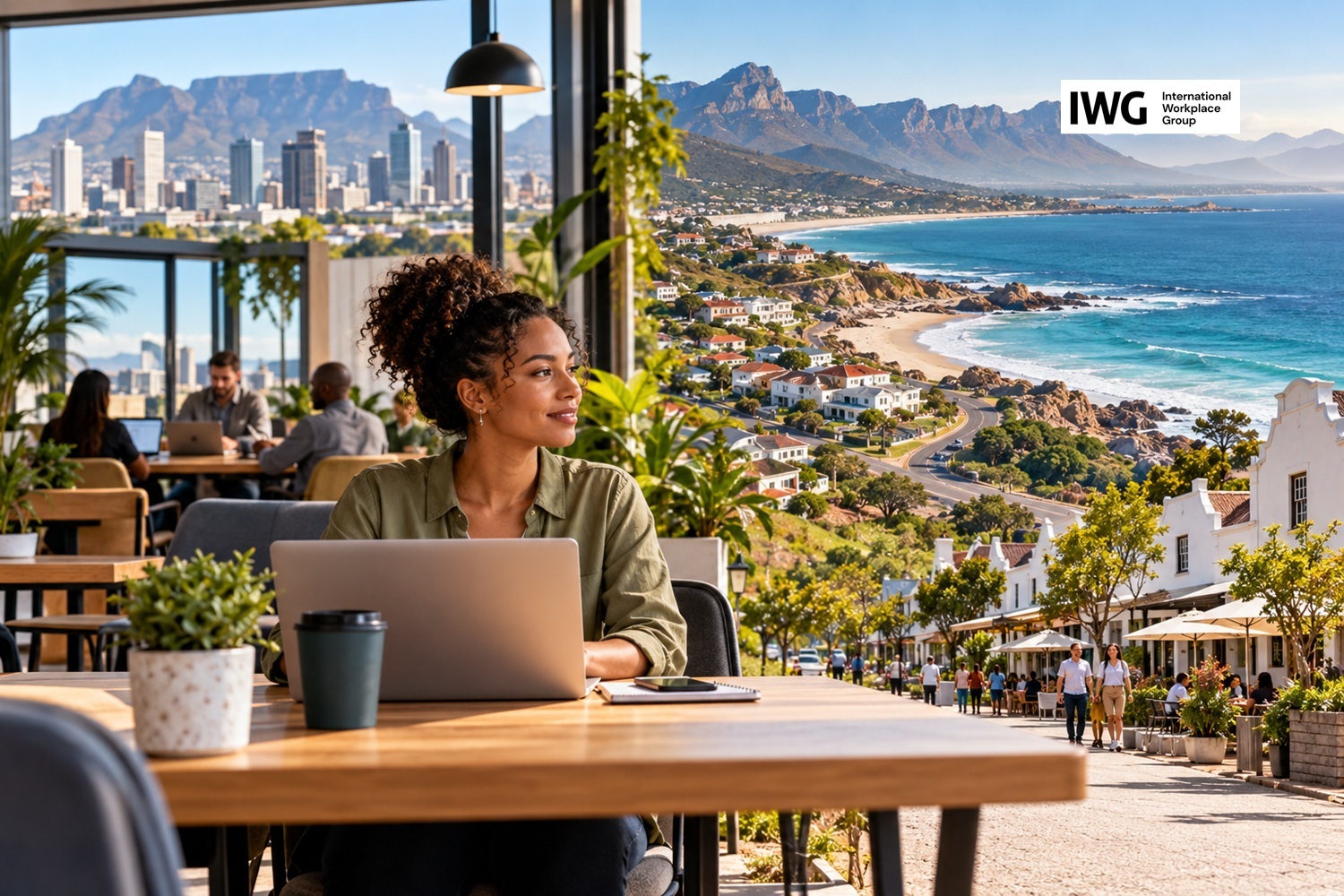
Smartphones, smart-remote offices, smart homes, smart cars, smart shopping and now, slowly and necessarily, the reshaping of South Africa’s urban centres as smart cities.
Semigration is a growing South African trend that has seen individuals and families move locally in search of a more balanced lifestyle.
In South Africa, most out-of-city moves are 'semigration' related, i.e., people choosing to move to a different location within the country. The high-demand provinces are mostly considered as lifestyle or holiday as well as retirement destinations, specifically the Western Cape and KwaZulu-Natal coastal provinces. Additionally, peripheral and suburban areas in metros and secondary cities and towns have seen a resurgence of interest for permanent occupation.
It is now more than just the wealthy or retired, considering outlying and remote areas as primary residences. An enhanced focus on lifestyle, surroundings, quality of life and issues such as personal safety is seeing people of all ages, married, single, and families considering 'semigration'.
Consequently, South Africa’s market towns are seeing an increase in office and co-working space demand as companies of all sizes enable their teams to work closer to home, reducing long daily commutes and delivering improved work-life balance.
To meet growing demand for more localised working, IWG is continuing to expand its network right across South Africa, so that, wherever people move, there is a workspace nearby. In 2026 alone, IWG added 8 new locations in South Africa, as part of a record 728 new locations signed globally. Over the past year, new locations have opened in regional market towns including Stellenbosch, The Strand, Melrose, Bedfordview and Gqeberha. IWG’s network expansion is being driven through its capital-light strategy, which now accounts for 95% of centre signings.
Under this model, IWG partners with property owners to establish and operate flexible workspaces, enabling it to expand rapidly into new locations. For businesses of all sizes, access to flexible workspace can improve responsiveness when opportunities arise. Employees who can work from professional locations closer to home are not tied to a single central office, helping businesses remain agile.
Regional market towns and smaller cities are now among South Africa’s most desirable places to live. Bradd Bendall, National Head of Sales at BetterBond, says “recent property data shows house prices in several secondary towns outpacing major metros. George, Paarl, Hermanus, Stellenbosch, and Ballito rank as the top five regional market and secondary service towns in South Africa, driven by strong local economies, robust property demand, and vibrant community trading hubs”.
More flexible ways of working are reshaping the geography of work, with professionals increasingly using a network of flexible workspaces in locations closer to their homes, wherever they ‘semigrate’ to. This allows employees to benefit from a professional office environment anywhere. Those who would otherwise travel to a central office can reduce or eliminate their commute if they are fully remote, making use of a flexible office that suits them.
Christian Schmitz, CEO of International Workplace Group, commented:
"The expansion of flexible workspaces across South Africa’s regional market towns reflects how businesses and their people are embracing more flexible ways of working. Companies increasingly need workplace strategies that give their teams access to high-quality professional workspace wherever they need it, including closer to home.”.
"For businesses, this provides greater flexibility and reduces the need for unnecessary fixed real estate, while employees can cut long and expensive commutes. Our growing network means we can meet that demand at scale."