


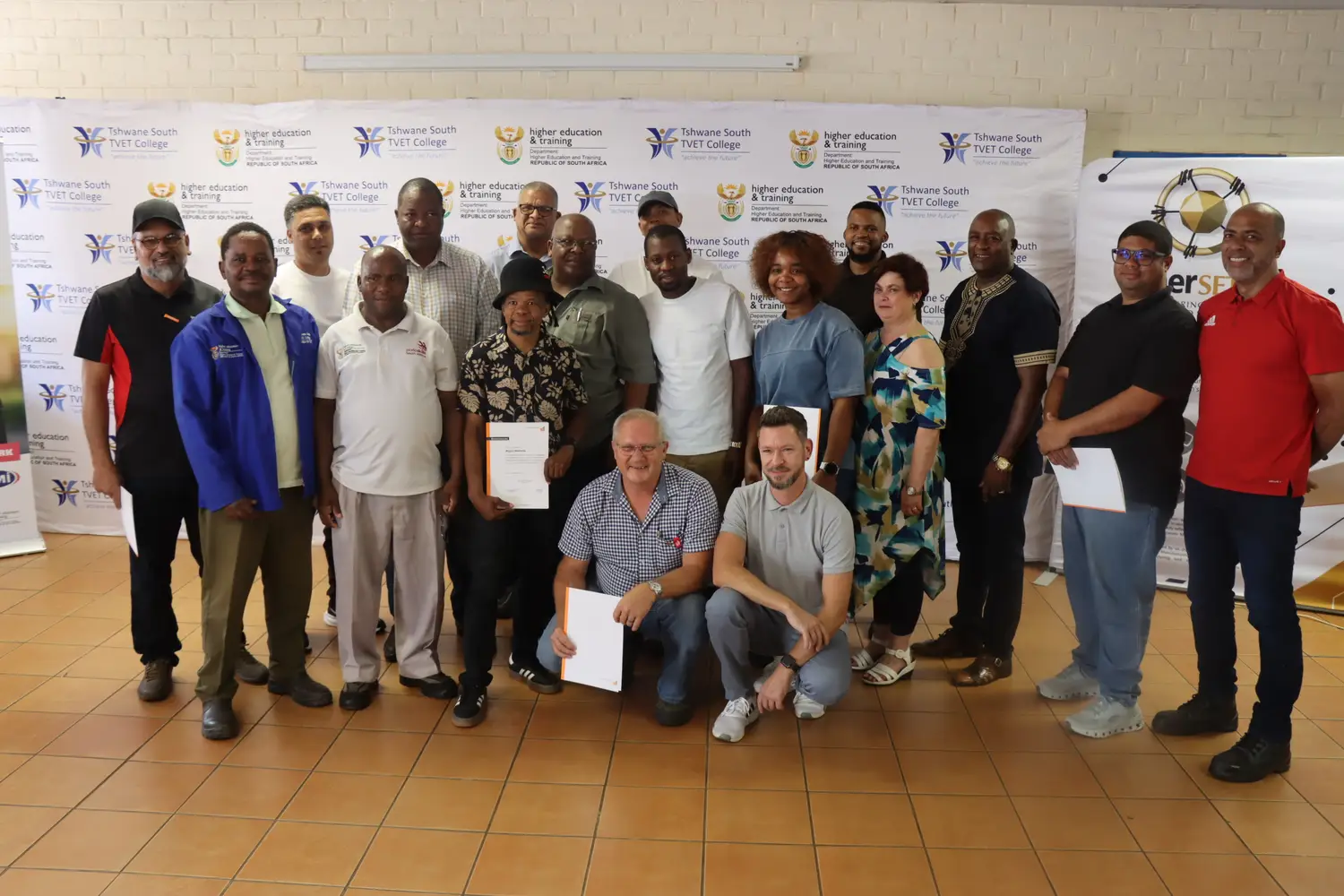
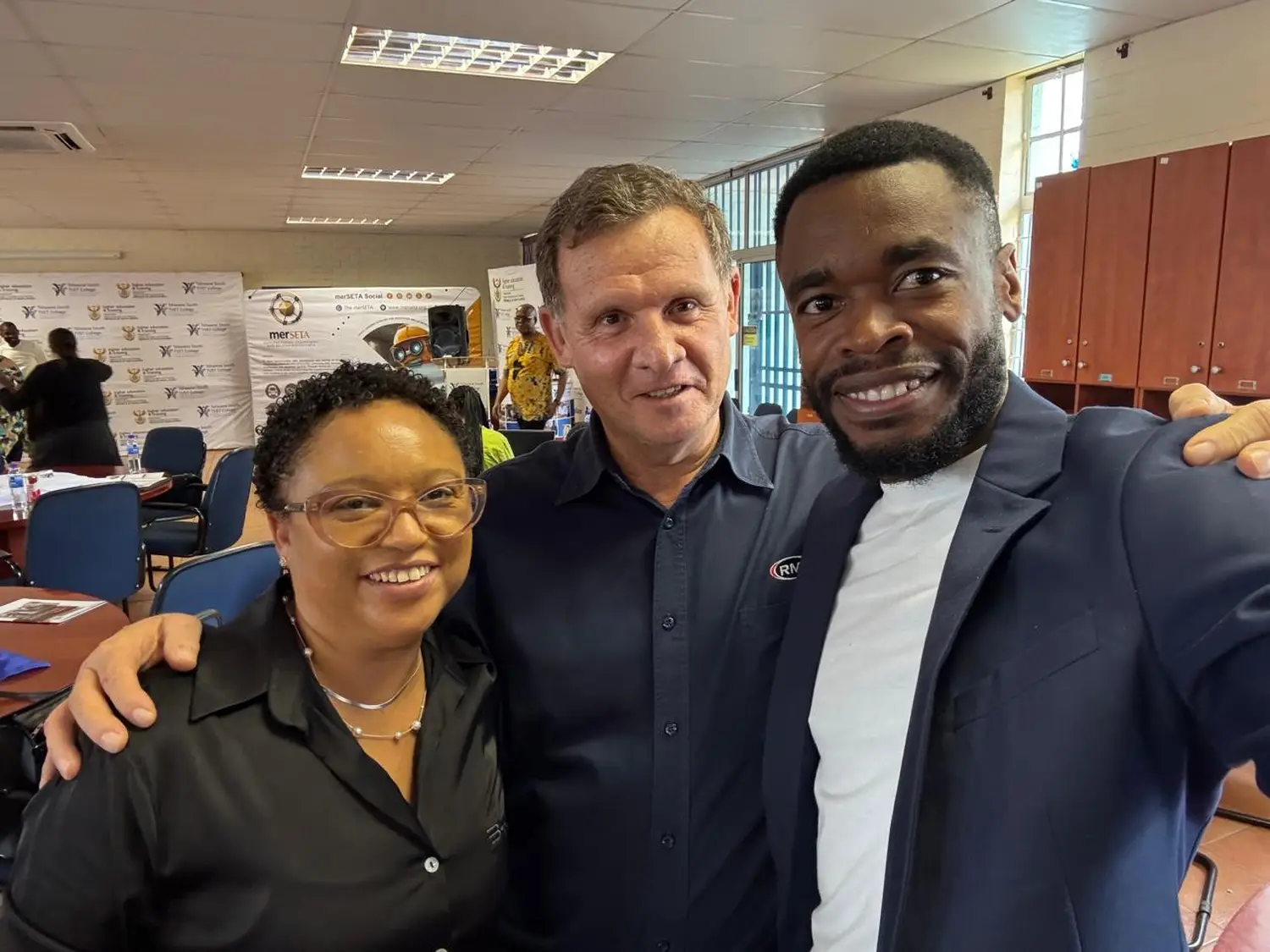
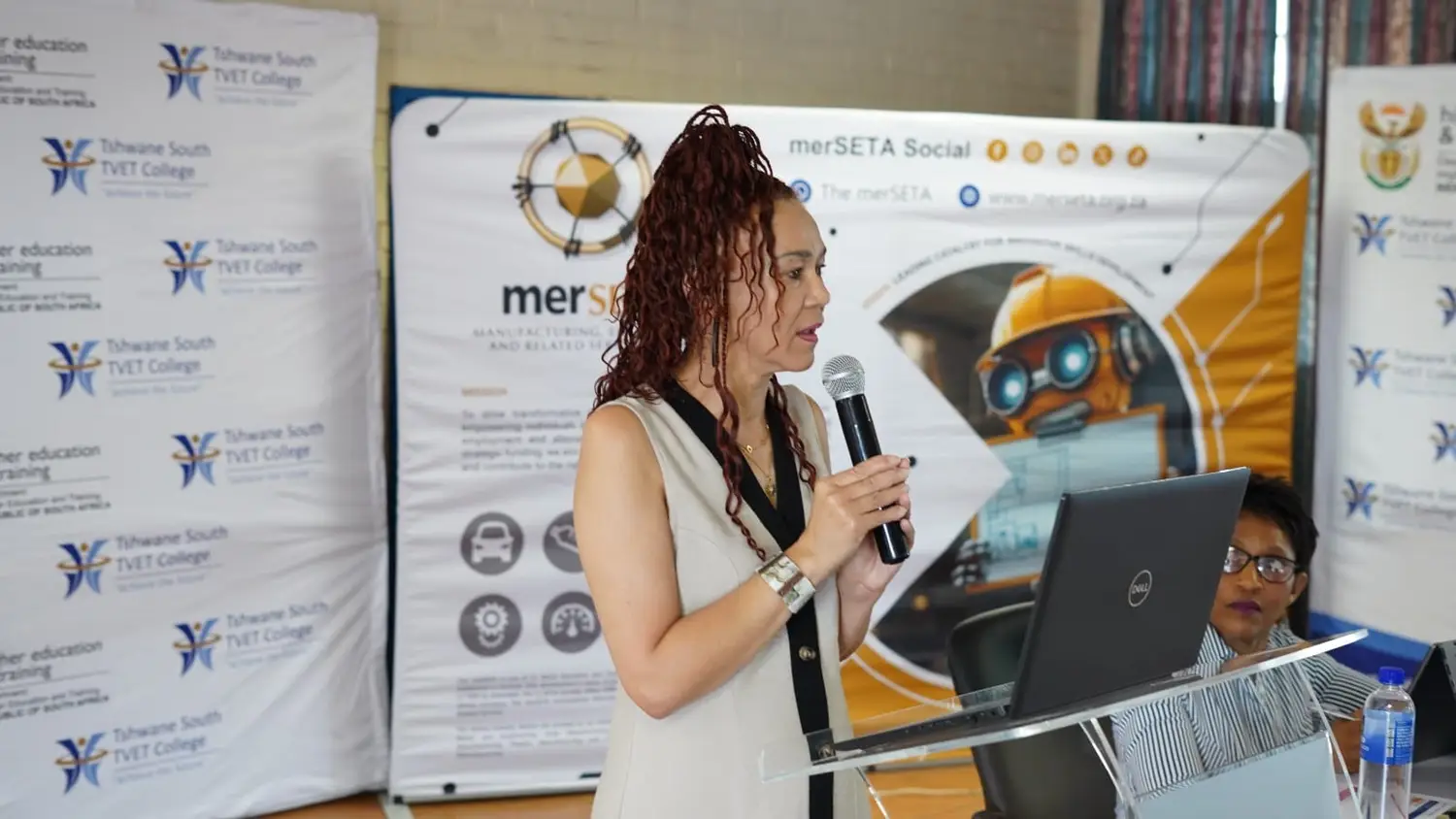
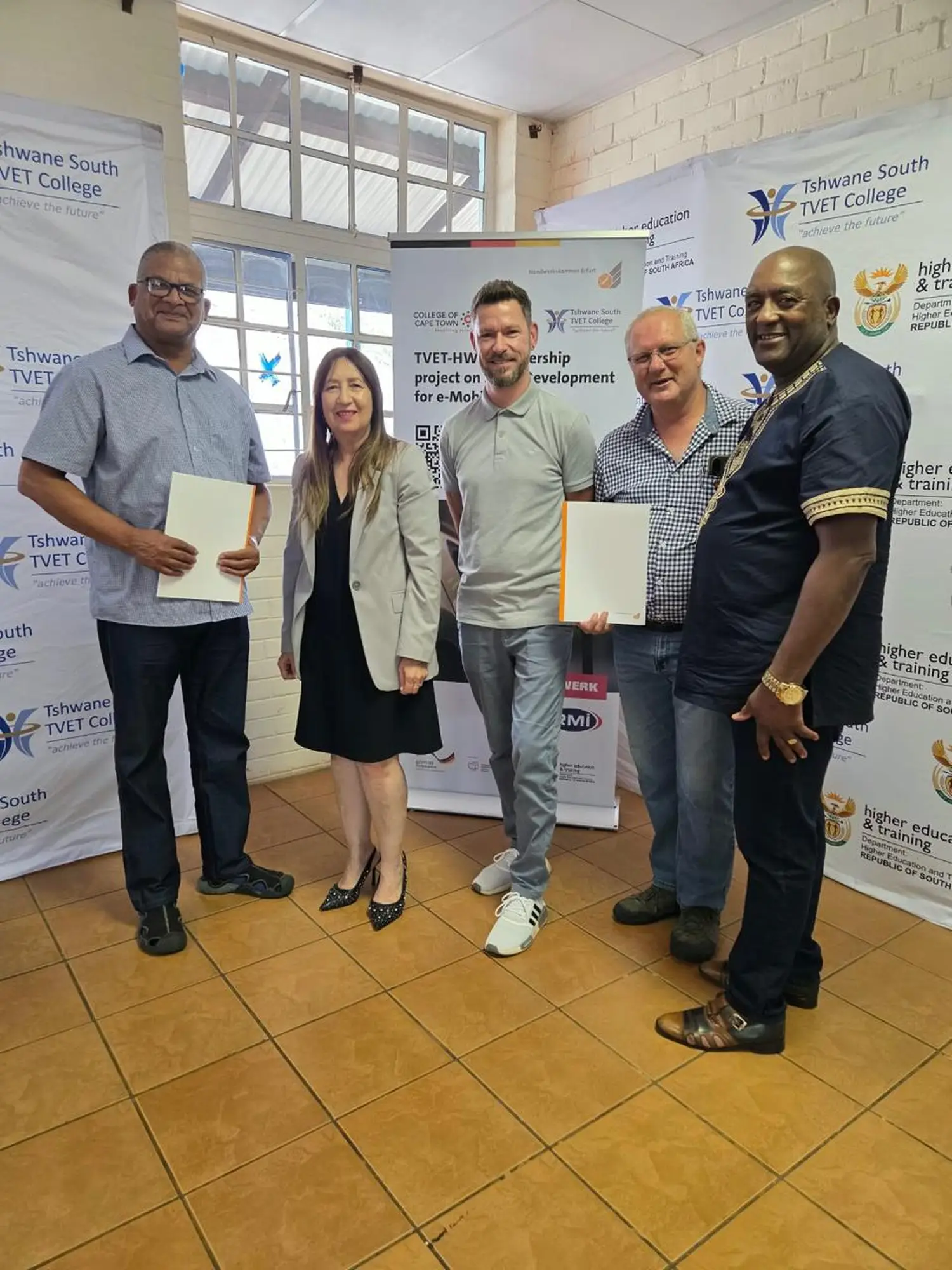
TVET facilitators complete first Level 1S training milestone through the TVET-HWK Partnership Project on Skills Development for e-Mobility.
South Africa's readiness for the transition to electric and hybrid vehicles depends on more than the availability of new vehicle technologies and the development of charging infrastructure. It also requires people with the right skillsto service, maintain and repair these vehicles safely. Building this skills capacity now is essential to ensuring that the country's automotive workforce is ready for the changes ahead.
An important step towards achieving this has been reached with the completion of the first Level 1S Train-the-Trainers programme for Technical and Vocational Education and Training (TVET) facilitators. The programme forms part of a three-yearpartnership project on Skills Development for e-Mobility, funded by the German Federal Ministry for Economic Cooperation and Development (BMZ) and implemented by sequa and Handwerkskammer Erfurt (HWK Erfurt), in partnership with South Africa's Department ofHigher Education and Training (DHET) and three TVET colleges.
The two-week programme, held from 9 to 20 November 2026 at Tshwane South TVET College's Centurion Campus, brought together facilitators from the three partner institutions: Tshwane South TVET College, Port Elizabeth TVET College and theCollege of Cape Town. Opportunities were also made available to facilitators from outside the partner colleges, extending the reach of the initiative.
The programme comprised 10 training days, combining technical instruction, practical exercises, assessments and specialised teaching methodologies relevant to vocational education. It represents the first of three progressive training levelsdesigned to develop the competencies required for safe work on high-voltage systems. The programme draws on German expertise and experience in e-mobility vocational training while being adapted to the needs and context of South Africa's TVET environment.
Building skills from the ground up
An important feature of the programme was its adaptation to address the specific needs of South African TVET facilitators. Rather than simply replicating the existing German Level 1S course, HWK Erfurt redesigned the training to strengthenfoundational knowledge in automotive electrical engineering, recognising that this is an important prerequisite for teaching more advanced e-mobility competencies.
The course covered fundamental principles. A significant component focused on high-voltage safety, equipping participants with an understanding of electrical hazards, protective equipment, risk assessments, vehicle identification and labellingrequirements, de-energisation procedures, first aid and emergency response involving electric vehicles.
The programme also incorporated course design and elements of Germany's dual vocational education system, exploring how theoretical instruction and practical workplace learning can be integrated into effective e-mobility training. Thisis particularly important in vocational education, where technical knowledge must be translated into practical competencies that learners can apply confidently and safely in the workplace.
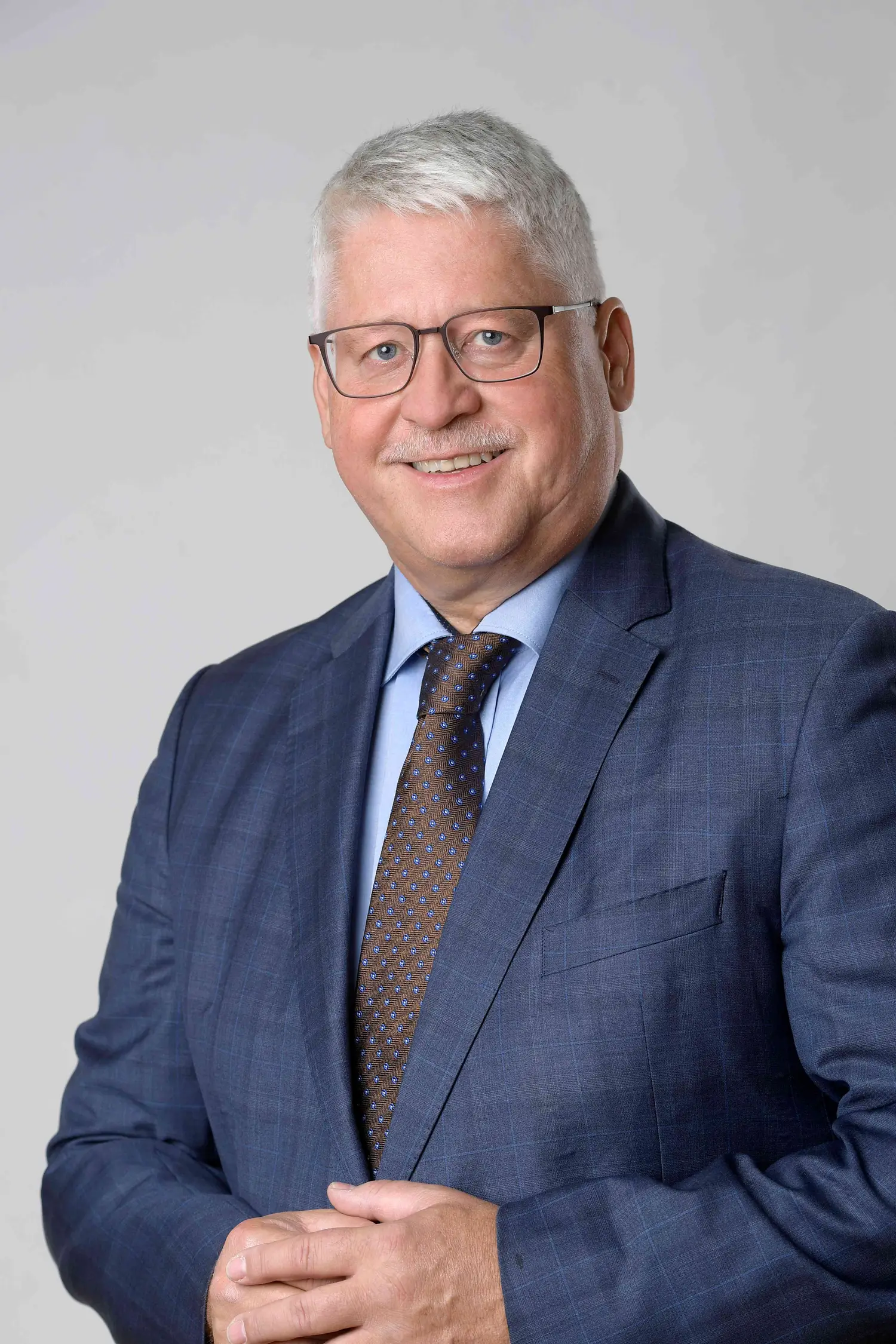
HWK Erfurt CEO, Thomas Malcherek, said the completion of the first training programme marked an important milestone in translating the partnership's objectives into practical skills development.
"This first training milestone is an important achievement for our partnership and a practical demonstration of what international cooperation can accomplish. Germany has many years of experience in developing vocational skills for electricmobility, and we are pleased to share this knowledge and experience with our South African partners. Ultimately, our objective is not simply to transfer technical knowledge, but to strengthen local training capacity so that South African institutions can continuedeveloping the skills their automotive industry will need in the years ahead," said Malcherek.
The German Embassy in South Africa concurred highlighting the broader value of the partnership, noting that, “By combining the German dual education system’s integration of theoretical knowledge and practical workplace experience with SouthAfrica’s occupational framework, this project aims to build sustainable, scalable training programmes that support employability and enterprise development.
“For both countries, this partnership is ultimately about investing in people. By combining our strengths, sharing our knowledge and working together towards common goals, we can create opportunities that benefit generations to come,” saysRixa von Somnitz-Moreno, Economic Cooperation Department, German Embassy
Strengthening the TVET partnership
South Africa's TVET colleges have an important role to play in addressing the country's skills scarcity needs, improving access to vocational education and creating pathways into employment for young people. As the automotive industry evolves,ensuring that these institutions can respond to emerging technologies and occupational requirements will be essential to developing a workforce equipped for future opportunities.
The TVET-HWK partnership has a clear, progressive vision: first, to equip facilitators at the partner colleges with the knowledge and competencies to deliver e-mobility training; second, to train the first cohort of students through theseinstitutions; and ultimately, to develop a wider network of qualified trainers capable of sharing their knowledge with other educators across South Africa.
The three partner colleges are central to translating this vision into practical training opportunities.
For Tshwane South TVET College, hosting the Level 1S programme represents a further contribution to developing local capacity in an area of growing importance to the automotive sector.
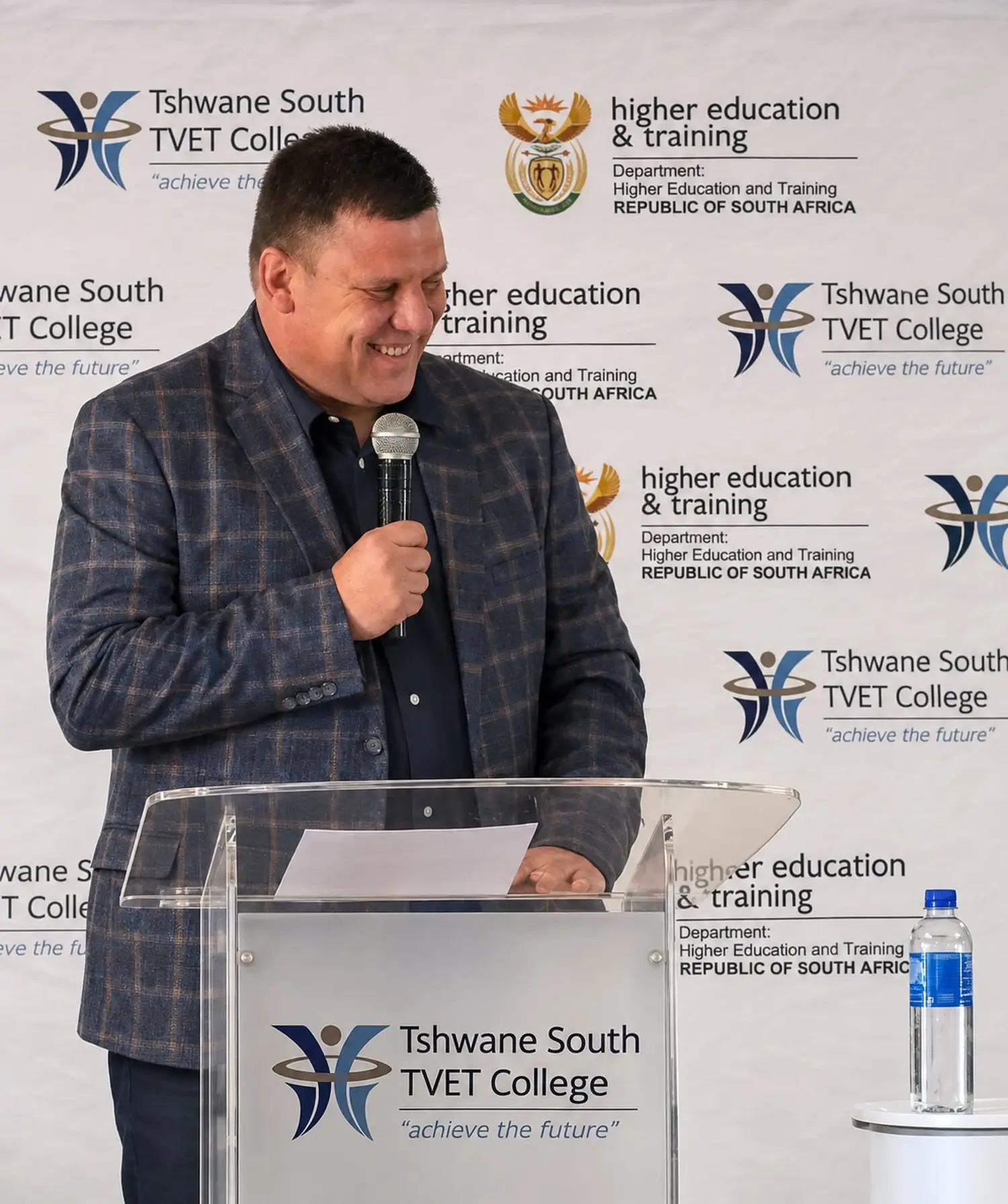
"Hosting this training programme has been an important opportunity for our college and our partners. The transition to electric mobility brings new demands for technical education, and our lecturers need to be equipped with the knowledgeand practical understanding to respond to these changes. Through initiatives such as this, we can strengthen our training capabilities and ensure that what we teach remains relevant to the evolving needs of the automotive industry," said Goodman Mnisi, ActingPrincipal at Tshwane South TVET College.
For Port Elizabeth TVET College, participation in the programme provides an opportunity to take the knowledge and experience gained through international collaboration back into its own training environment.
"The value of this partnership lies in the opportunity to bring together international expertise and the knowledge of our local training institutions. The programme has exposed our facilitators to new technologies, practical applicationsand different approaches to vocational training. We look forward to taking these learnings back into our college environment and using them to strengthen the training opportunities available to our students," said Jessie Figg, Deputy Principal: Academic Servicesat Port Elizabeth TVET College.
Similarly, the College of Cape Town sees the programme as an important investment in the facilitators who will ultimately equip learners with the competencies needed in a changing automotive workplace.
"Technology is evolving, and vocational education must evolve with it. Our responsibility as training institutions is to ensure that facilitators have the skills, confidence and resources to prepare students for the realities of the modernautomotive workplace. This programme is a valuable step in that direction, and we are excited about the opportunities it creates for our facilitators and future learners," said Muzi Mathe, Acting Principal at the College of Cape Town.
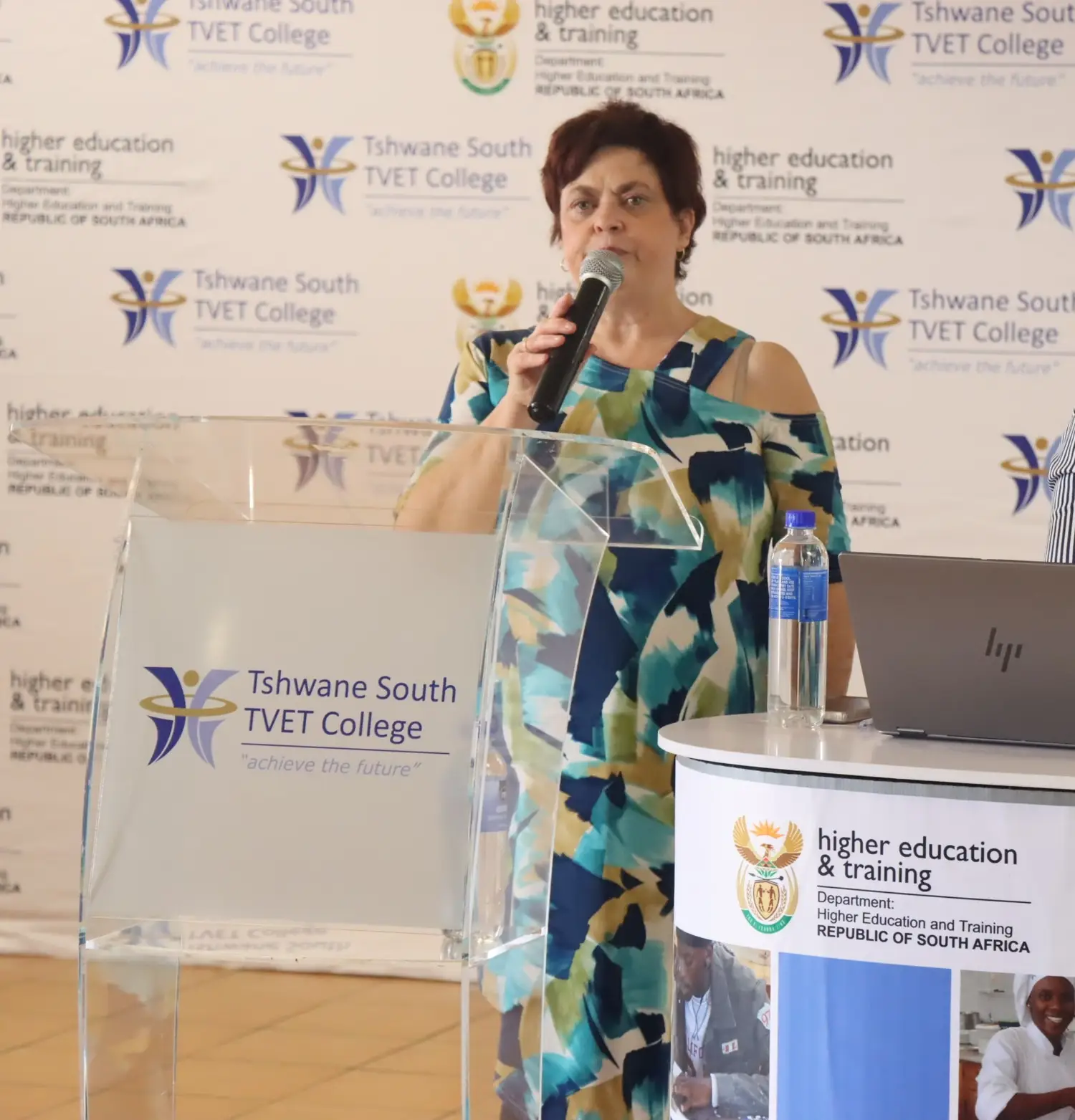
Sello Sethusha, DHET Director: TVET Lecturer Development, said the Department recognised the TVET-HWK Erfurt initiative as an important contribution to strengthening the technical competencies and industry relevance of South African TVETlecturers.
The programme, focusing on electric mobility (E-mobility), electric vehicles and hybrid vehicle technologies, responds to the rapidly changing automotive industry and the growing demand for skills associated with the transition towardssustainable and low-carbon transport technologies.
“We value the partnership with HWK Erfurt, Germany, and view this initiative as an important contribution towards modernising TVET lecturer development, strengthening international cooperation and advancing South Africa's green skills agenda.We are developing a new generation of technically competent, industry-responsive TVET lecturers who can equip South African youth with the skills required for the future of work and the transition to a greener economy,” says Sethusha.
Industry and education working together
While electric vehicles currently represent a relatively small proportion of South Africa's vehicle parc, the growth in new-energy vehicle sales and the increasing presence of hybrid technology mean that workshops and other automotive businessesmust begin preparing now. Meaningful collaboration across stakeholders is critical to building a sustainable pipeline of skilled artisans.
The Retail Motor Industry Organisation (RMI) Acting CEO, Henk Ferreira, agrees saying the partnership demonstrates the importance of bringing industry, education institutions and international expertise together to develop practical solutionsto emerging skills requirements.
"The transition to electric mobility is changing the skills landscape of the automotive industry, and we need to prepare for that change now. While the uptake of electric vehicles in South Africa is still developing, the knowledge and competenciesrequired to work safely with these technologies cannot be an afterthought. Partnerships such as this ensure that our training institutions and the wider industry are better prepared, while creating opportunities for young people to develop skills that willremain relevant as the sector evolves," says Ferreira.
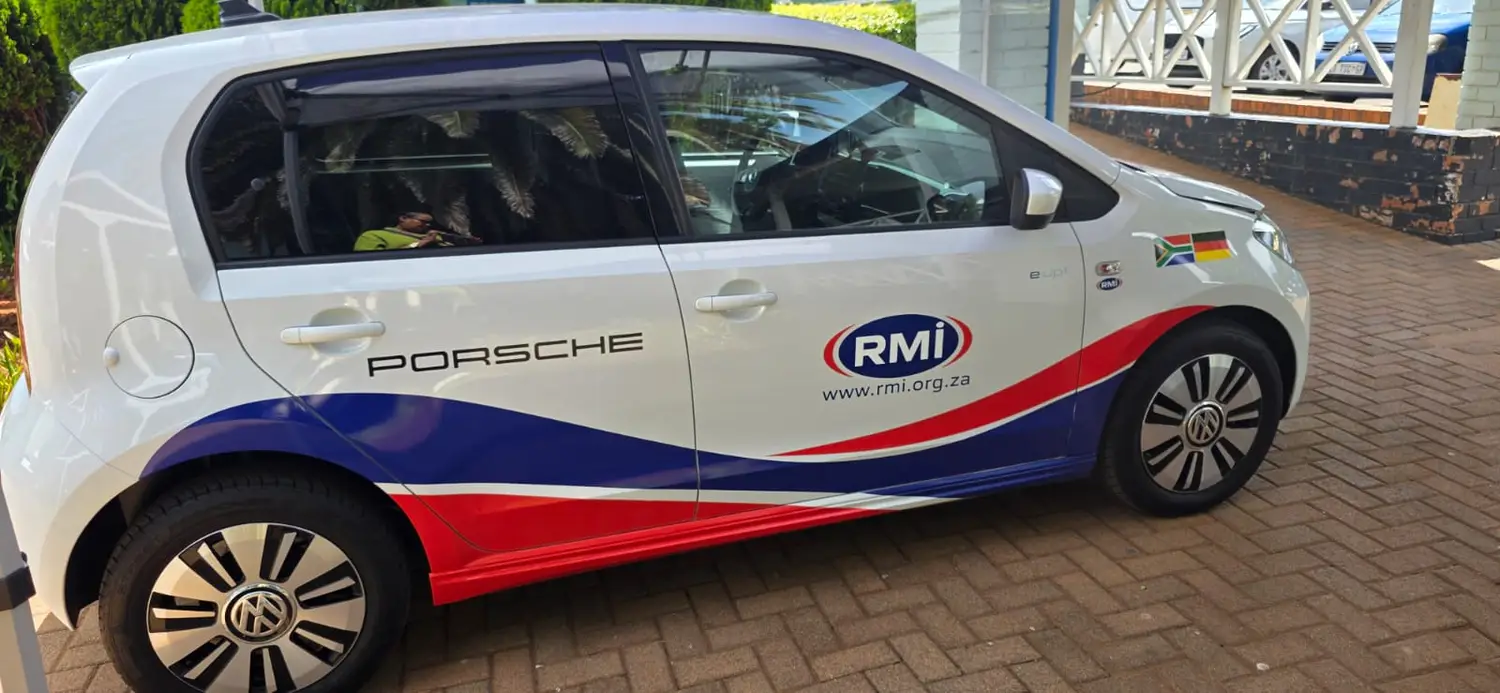
Recognising the vital role TVET lecturers play in shaping the next generation, Ferreira also recognised the important collaboration with Porsche AG's Porche Aftersales Vocational Education (PAVE) team. Their invaluable contribution of aVW e-Up, of which we are the custodians, has made practical training modules a reality, ensuring lecturers are equipped with cutting-edge knowledge and practical experience to effectively train future generations of technicians for the electric vehicle revolution.
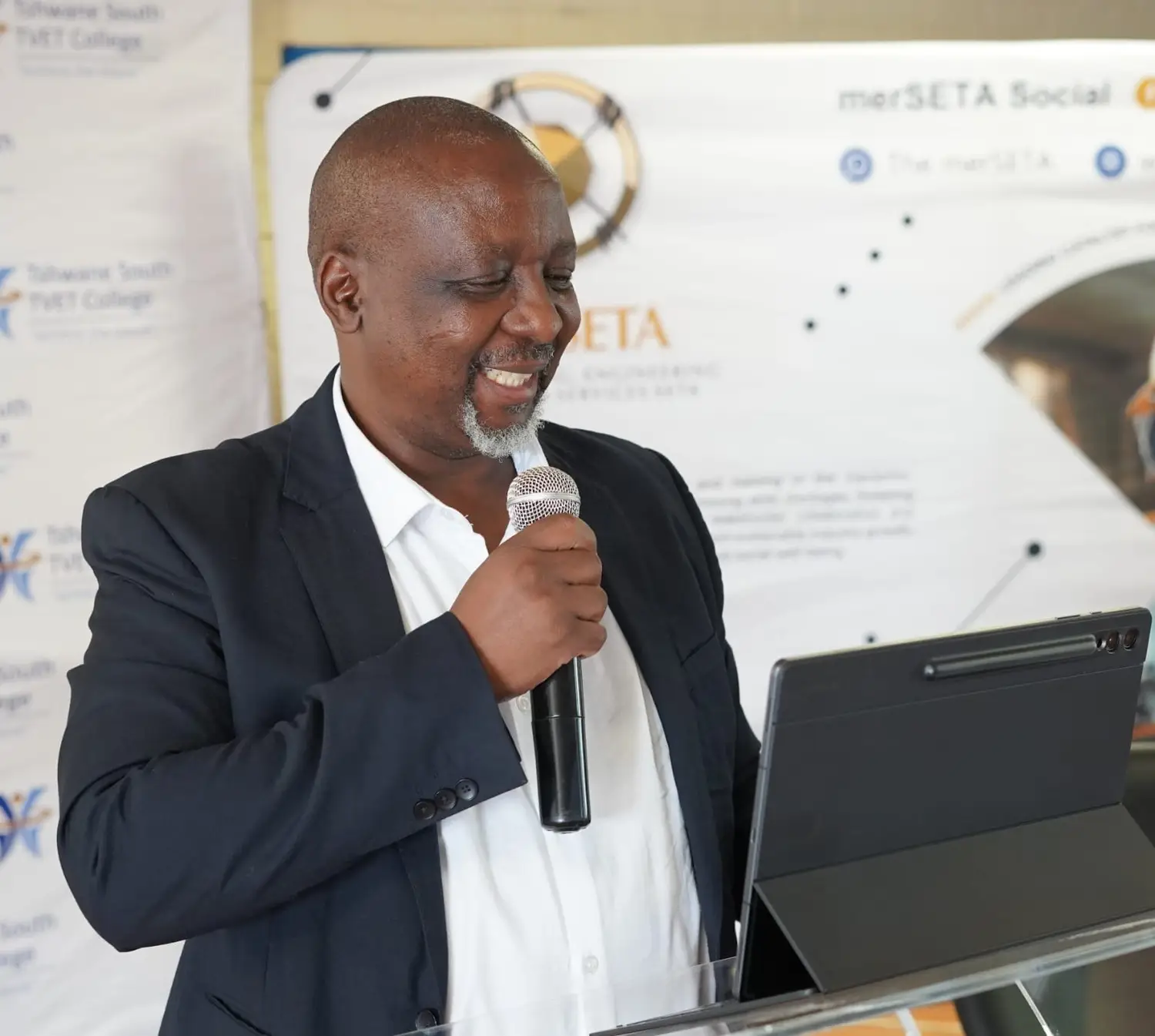
The partnership has also benefited from the support and continued leadership of merSETA Acting CEO, Naphtaly Mokgotsane highlighting the importance of collaboration between industry, training institutions and skills development partnersin building South Africa's future skills capacity.
A foundation for the next phase
The Level 1S programme is the first step in a longer-term development pathway. Following successful completion of the training and assessment, participants receive a certificate of completion, providing the foundation for progression toLevels 2S and 3S, planned for the first half of 2027.
These subsequent training levels will build on the competencies established during the initial programme, with the longer-term objective of developing fully qualified trainers in e-mobility. By the beginning of 2028, the partner collegesare envisaged to be ready to offer skills programmes that will prepare young graduates for careers as electric vehicle service technicians, including the specialised competencies required for battery repair.
As South Africa's vehicle parc gradually incorporates more hybrid and electric vehicles, the need for appropriate skills, safety awareness and technical competence will extend across the wider automotive value chain.
The transition to cleaner mobility is also part of a broader shift towards a greener economy. Developing the people and technical capabilities needed to support this transition is therefore not only an investment in the automotive industry'sfuture, but also in South Africa's skills base, employment opportunities and long-term economic resilience.
The completion of the first Level 1S training milestone is consequently more than the conclusion of a two-week programme. It marks the beginning of a longer-term investment in educators, institutions and the next generation of automotiveprofessionals who will help shape South Africa's e-mobility future.