


Every combustion engine - from long-haul trucks to light delivery vehicles - depends on the right engine oil to perform optimally and avoid costly downtime. But why does oil choice matter so much, and what happens when the wrong lubricant is used?
Engine oil’s first responsibility is to reduce friction between moving parts, preventing unnecessary power loss. A properly lubricated engine delivers better fuel efficiency, reliable power output, and longer service life.But lubrication is just the start. Oil also acts as a protective barrier, reducing wear and extending the lifespan of critical components.
Quality engine oil also helps prevent corrosion and harmful deposits that can impact performance and emissions. As parts move, tiny particles and contaminants are released - and oil carries these away from sensitive components.
The oil’s cooling effect is equally vital. By absorbing friction heat, it keeps engine temperatures in check, ensuring parts continue to perform within their designed tolerances.
Today’s diesel and petrol engines differ greatly in design and efficiency targets, meaning there’s no one-size-fits-all oil.For instance, newer powertrains often require lighter viscosity oils to reduce internal drag and unlock maximum fuel economy. These thinner lubricants still provide excellent protection while improving performance.
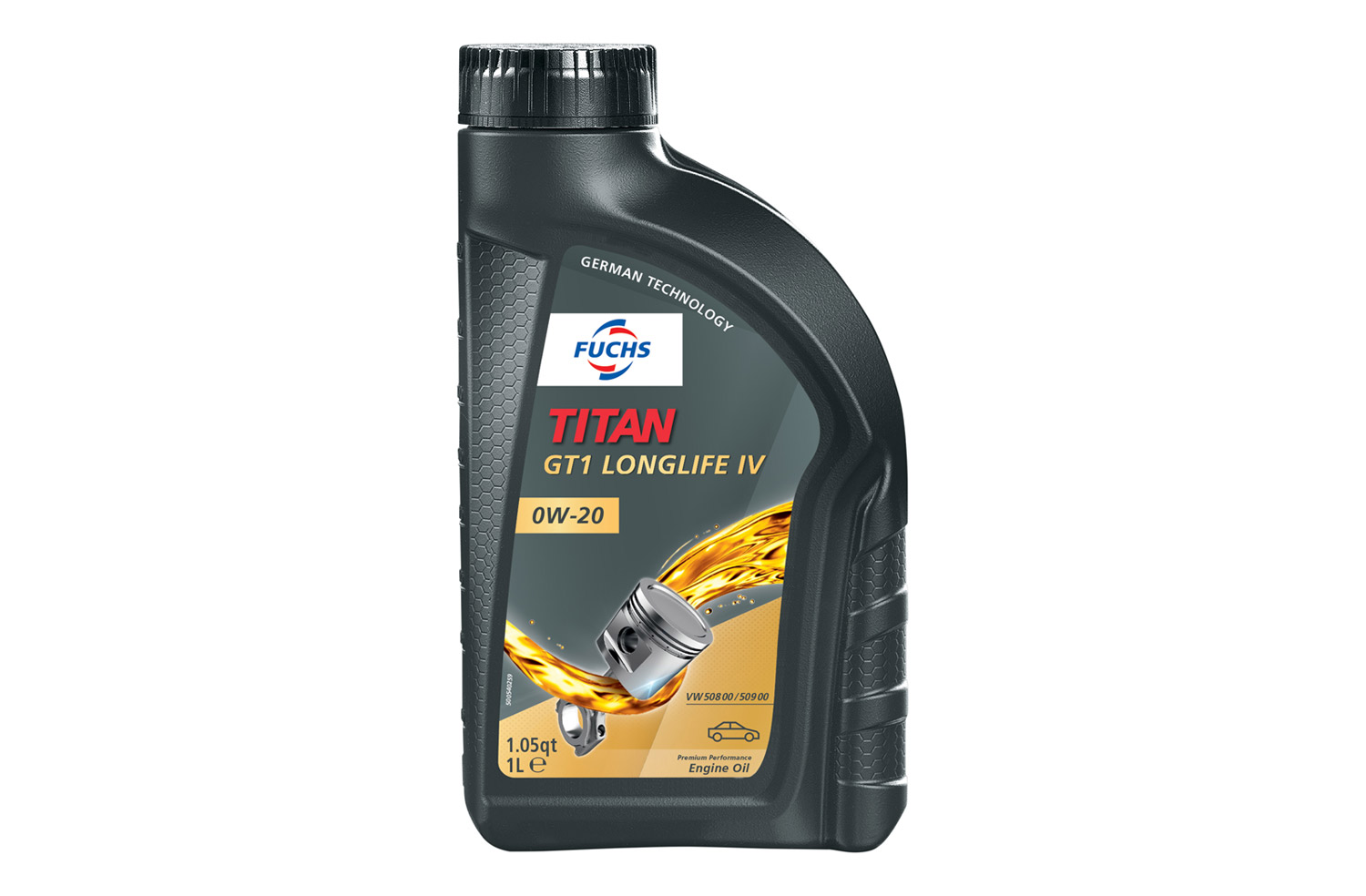
For instance, TITAN GT1 LONGLIFE IV SAE 0W-20 – which is a premium performance engine oil in a novel viscosity grade. Specifically designed for modern VW vehicles, for excellent fuel-economy characteristics and reduced CO₂ emissions. Excellent cold starting behaviour, very fast oil circulation, and outstanding performance reserves. With BluEV Technology, additionally applicable in hybrid vehicles of different manufacturers.
Why do specifications and approvals matter?
Every car brand, like Volkswagen, has specific oil standards for its engines—these are listed in the owner's manual (e.g., VW 504 00 / 507 00).
Global bodies like API and ACEA set oil performance standards (e.g., API SN/SP, ACEA C3) that help ensure the oil protects your engine and works with modern systems.
Trusted oil brands like FUCHS clearly show which specs and approvals their oils meet, making it easier for fleet managers and drivers to choose the right product.
Specifications ▪ ACEA C5 ▪ FORD WSS-M2C956-A1
Approvals ▪ PORSCHE C20 ▪ VW 508 00/509 00
The High Cost of Using the Wrong Oil
Using unsuitable oil can lead to:
- Increased fuel consumption
- Reduced engine performance
- Excessive engine noise or wear
- Even total engine failure
Such issues can cause significant downtime and repair expenses — avoidable through proper oil selection and specification compliance.
Simplifying Oil Selection with FUCHS
At FUCHS, transparency and technical integrity are core priorities. Every oil clearly indicates:
- OEM approvals
- Specifications met or exceeded
- Recommended applications based on rigorous in-house testing
Fleet operators can use the FUCHS Oil Chooser to easily find the right oil for any vehicle. Alternatively, your FUCHS representative can assist with personalised recommendations based on your operating conditions, service intervals, and performance goals.
Partner with FUCHS LUBRICANTS SOUTH AFRICA to ensure every engine in your fleet gets the right protection - reducing downtime, improving efficiency, and saving costs over the long haul.
For inquiries and tailored solutions follow FUCHS on Instagram, Facebook, and LinkedIn or connect with an expert on https://www.fuchs.com/za/en/contact/