


By Graham Duxbury @TheRealDux
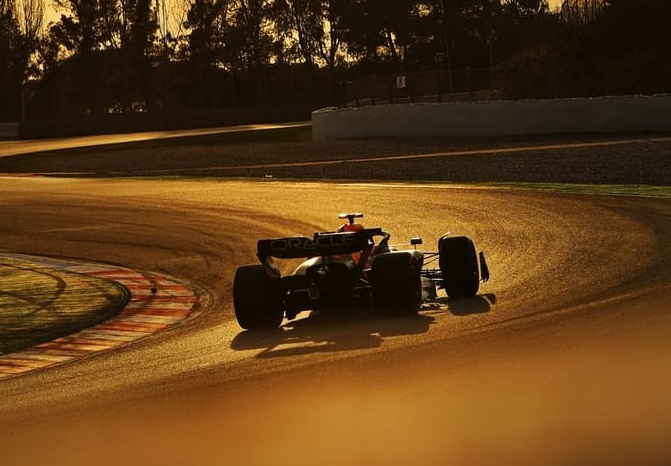
Formula One’s secret, closed-door test at the Circuit de Barcelona-Catalunya this week was designed to be just that - secret. Teams arrived under strict confidentiality agreements, controlled access and with no media presence.
The arguments in favour were clear: The all-encompassing nature of the regulation changes for 2026, means that every facet of the cars is completely new for the teams, their engineers, technicians and drivers
With these new cars rolling out on track for the first time, miss-steps, breakdowns and failures are likely. In fact, they may well be quite common. In this light, a lack of media attention will considerably reduce the pressure on the teams.
But paradoxically, these very restrictions have made the probability of spy shots and leaked information higher than ever.
The circuit is an open and elevated surrounded by public land, hills and access roads. Even with closed gates, the geography makes visual isolation almost impossible.
Long lenses, drones and other innovations may well create opportunities for covert images. Add the digital age to the mix - instant uploads, encrypted messaging, anonymous social accounts - and control becomes almost impossible.
Closed-door tests don’t reduce curiosity - they intensify it. Secrecy fuels obsession.
In truth, the more F1 tries to hide its new technology, the more valuable every glimpse of it becomes. In a sport built on competitive intelligence, information is currency.