


By Graham Duxbury @TheRealDux
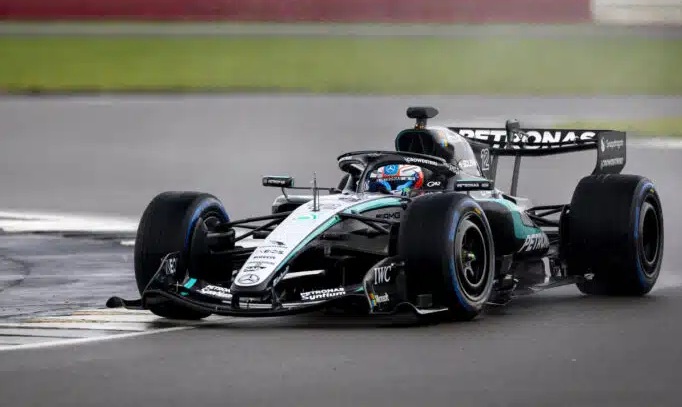
Formula One testing continues in Bahrain today with all 11 teams in attendance. The most often-asked question is: How much meaningful performance information will emerge?
The early phases of testing are typically devoted to systems checks, reliability runs and correlation work to ensure that the new-generation cars function as intended. Only once these fundamentals are confirmed do teams begin to explore performance with greater intent.
This naturally raises speculation about whether a provisional competitive order might emerge in Bahrain this week - or whether “sandbagging” will obscure the true picture.
Historically, teams have been reluctant to reveal their hand during testing, and lap times are often carefully managed. Differences in fuel loads, engine modes, tyre compounds and run plans make direct comparisons unreliable.
Nevertheless, subtle indicators can be observed by those looking beyond lap times. For those with a keen eye, Bahrain’s traction-limited corners may provide early clues about underlying performance.
Because Bahrain’s asphalt is relatively abrasive and the track is frequently affected by wind and sand, grip levels can be inconsistent, exposing traction challenges.
Current F1 cars, with massive torque from electrification, may well struggle to put power down cleanly and effectively on corner exit, losing time and speed on the following straight. There is no traction control to aid the driver.
Significantly, Bahrain features multiple slow-to medium-speed corners that lead onto long straights — most notably Turns 1–3, Turn 4, Turn 8, Turn 10 and the final corner onto the main straight.
These key corners demand strong mechanical grip and precise power delivery on exit, rather than relying purely on aerodynamic downforce. They may well, in isolation, provide a good overall performance barometer.