


By Graham Duxbury @TheRealDux
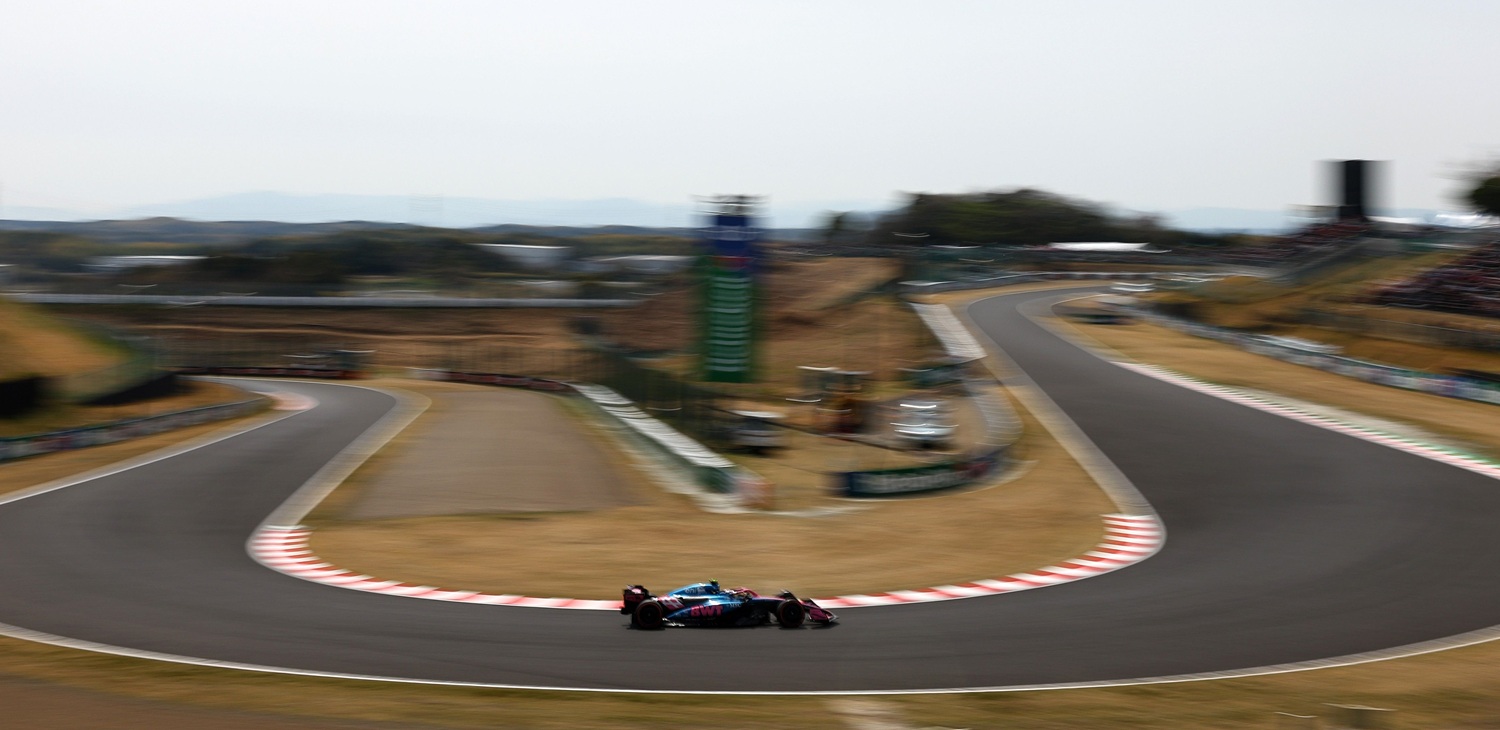
Formula One returns to one of its purest tests this weekend as the paddock arrives at the legendary Suzuka circuit for the Japanese Grand Prix.
A favourite among drivers and fans alike, Suzuka’s flowing, technical layout has long rewarded precision driving. This year, however, things may feel different.
Energy management and harvesting demands are again expected to play a visible role, with lift-and-coast and other techniques softening the outright aggression typically associated with the circuit’s fastest sections.
These techniques, according to many drivers, have turned difficult corners into places to recharge the battery, and this it has taken away the advantage of driving skills.
Fernando Alonso, for example, says the new reality in F1 is that several iconic corners have become less of a performance differentiator under the new ruleset.
Yet Suzuka is unlikely to lose its edge entirely. Grip-limited corners such as Spoon should still provide a true test of driver skill. This opens the door to varied racing lines and places even greater emphasis on exit speed onto the following straight.
With only two designated straight-line deployment zones - one after Spoon, ending before 130R, and the other along the start/finish straight - energy usage will be strategically critical.
Elsewhere, particularly from turns three to seven and including the iconic Esses, fans are likely to see slower apex speeds, with drivers selecting lower gears as they harvest energy.
Max Verstappen explains it this way: “On average the fastest drivers are the ones who spend the most time on the throttle over a lap. And now that works against you because the more you are on the throttle, the more battery you use.
“So, the later you brake and the earlier you get back on the throttle, the worse it actually is for the battery.”
Ultimately, while F1’s new technical regulations may temper some of Suzuka’s most significant challenges, they are unlikely to completely remove them all.
While the emphasis shifts to battery management, traditional skills - and commitment throughout a lap – may well allow the talented drivers to shine.