


By Graham Duxbury @TheRealDux
During last weekend’s Miami GP, drivers were able to get their first taste of the changes to the 2026 technical regulations.
The tweaks to energy management systems - introduced with safety and sporting intent in mind - are designed to reduce the extreme closing speeds that have, at times, raised concerns particularly when energy deployment disparities between cars create unsafe situations.
By smoothing out the peaks and troughs of energy harvesting and deployment, the FIA aims to encourage a more consistent, “on-the-limit” approach from drivers, rather than the lift-and-coast management that has defined F1 up to now
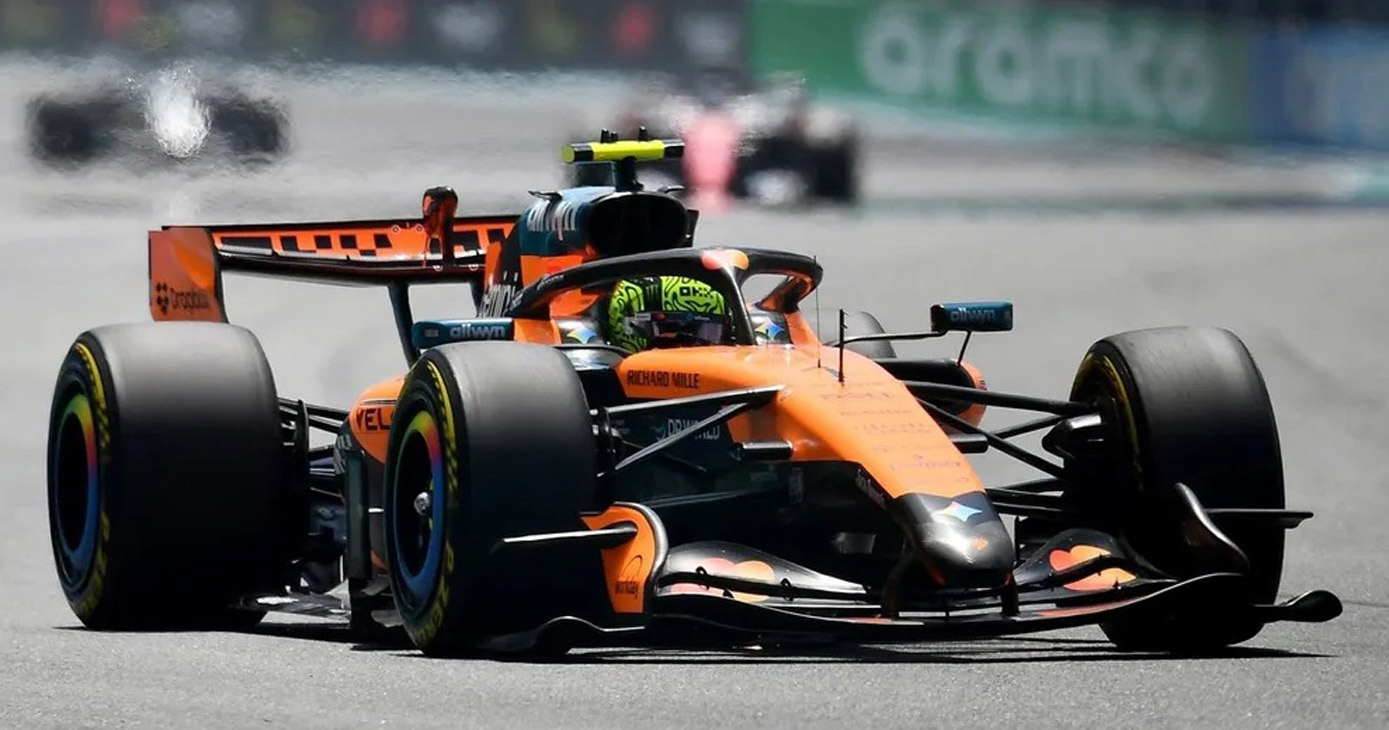
Initial feedback from Miami suggests that the changes have achieved, at least partially, their intended effect. McLaren’s Lando Norris sees the update as “a first step in the right direction,” pointing to a subtle but noticeable shift in how drivers are able to push to the limit.
Yet Norris also highlighted the limitations. “Some things remain as expected,” he says. “There're still certain points where the quicker you go, the more penalised you get. And, in the future, that's something we want to fix.”
His comments underline the fact that while progress has been made, the balance between energy efficiency and outright performance remains imperfect.
As F1 continues to fine-tune its 2026 regulations, many fans look forward to the return of V8 engines as promised by FIA president Mohammed Ben Sulayem who has stated that the direction is clear and the switch is no longer a question of if but when.