


By Graham Duxbury @TheRealDux
Formula 1 heads to Baku this weekend for the Azerbaijan Grand Prix, which will be run on a Saturday for the first time.
The unusual schedule, with practice on Thursday, qualifying on Friday and the 51-lap Grand Prix on Saturday, follows a change requested by the Azerbaijan promoter and government stakeholders.
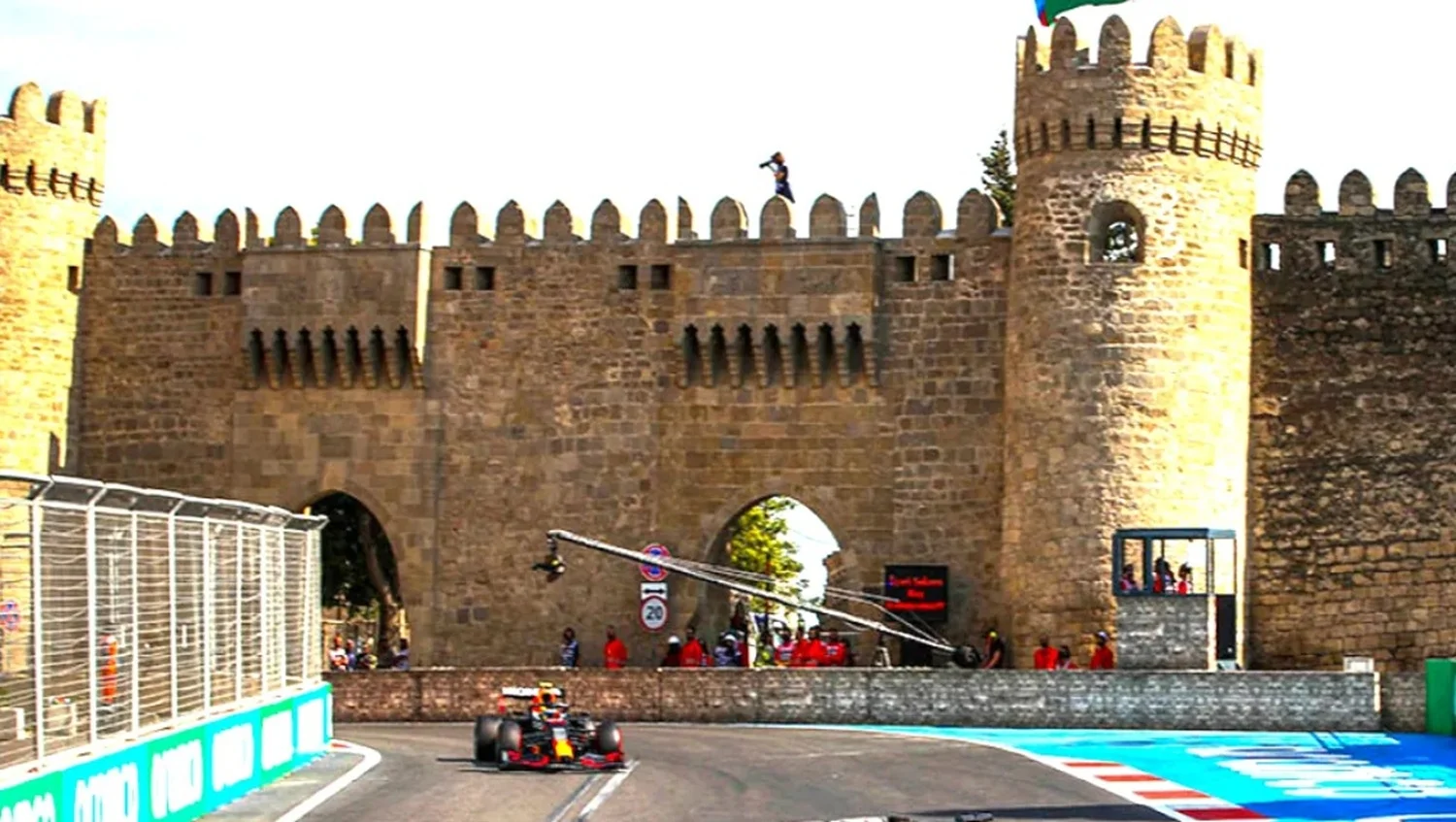
The circuit itself presents one of the most distinctive challenges on the F1 calendar. At 6km, Baku combines long, high-speed straights with the extraordinarily tight section around the old city. The main straight is one of the longest in F1, demanding low drag and a high top speed, while the narrow castle section rewards mechanical grip, braking stability and driver confidence. Teams therefore face a difficult compromise between straight-line efficiency and the downforce needed through the slower corners.
The 2026 regulations add another dimension. Energy management has become an increasingly important part of performance, with the cars capable of delivering substantial electrical power in key acceleration zones. Baku's repeated acceleration-and-braking cycles, combined with its long straights, will put particular emphasis on energy harvesting and deployment to ensure that energy is available when it matters most.
So, will Baku favour a particular team? Rather than simply rewarding the car with the most downforce or outright power, the circuit is likely to expose how effectively each team can balance aerodynamic efficiency, energy deployment, tyre management and cooling. It could be a test of which teams are mastering the technical demands of the new-generation cars.