


RMI calls for retail and aftermarket to be recognised as integral to South Africa’s automotive industrial strategy at SA Auto Week 2026
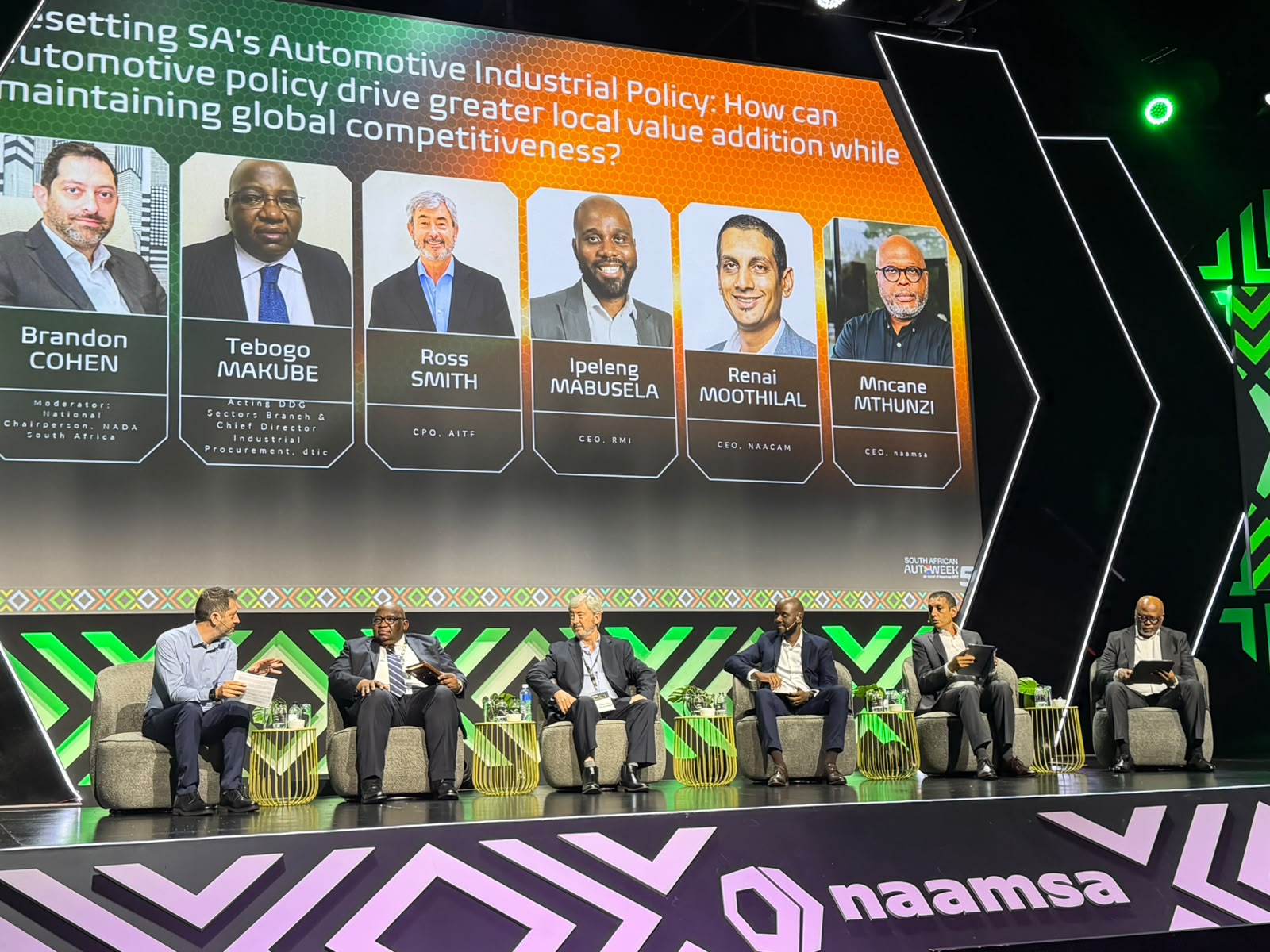
South Africa’s localisation ambitions must extend beyond the manufacture of new vehicles to include the retail and automotive aftermarket, which represent a substantial economic base, support hundreds of thousands of jobs and offer opportunitiesto strengthen local component manufacturing. This was a key message from the Retail Motor Industry Organisation (RMI) at SA Auto Week 2026, where CEO Ipeleng Mabusela participated in a panel discussion on localisation and the convergence of the automotiveindustry’s value chain today.
The RMI believes that the South African Automotive Masterplan 2035 (SAAM 2035 or any new or revised Automotive Policy, must explicitly recognise the retail and aftermarket as enablers of localisation and integral contributors to the automotivesector’s growth, sustainability and transformation.
“Localisation policy needs to reflect the full automotive value chain. While local vehicle manufacturing remains important, there is a much broader opportunity to create value within South Africa by strengthening the businesses, supplychains and technical capabilities that support vehicles throughout their lifecycles,” says Mabusela.
The automotive aftermarket represents a significant economic base on which to build. According to figures presented by the RMI, the sector supports more than 310,000 jobs, comprises over 23,000 businesses and contributes an estimated R202.6billion in value added to the South African economy. Approximately 80% of these businesses are small, medium and micro enterprises (SMMEs).
This established network of businesses, together with ongoing demand for vehicle servicing, maintenance and replacement components, presents opportunities to expand local production and build resilience against currency volatility and internationalsupply chain disruptions.
Local opportunities beyond locally manufactured vehicles
South Africa’s vehicle parc includes both locally manufactured and imported vehicles, all of which require maintenance, repairs and replacement components throughout their useful lives. This creates a market for locally manufactured aftermarketparts, independent of where the original vehicle was produced.
The RMI believes that a more inclusive localisation strategy could identify components that can be manufactured competitively in South Africa, supported by appropriate incentives, accessible testing and certification facilities, and clearpathways to domestic and export markets.
Potential opportunities include glass, tyres, batteries and other components, with emerging new-energy vehicle technologies also creating scope for local manufacturing and the development of specialised technical capabilities.
“Localisation must be commercially viable and must not put retail jobs at risk. It must also be supported by a clear understanding of market demand, manufacturing capacity and the standards required to ensure quality and safety,” says Mabusela.
Regional and international markets should form part of this approach. Opportunities through the African Continental Free Trade Area (AfCFTA), alongside other export markets, could help local manufacturers achieve the production volumesneeded to compete sustainably.
Localisation must create opportunities for people and businesses
Beyond manufacturing output, localisation must contribute to transformation, skills development and inclusive economic participation.
The retail and aftermarket offer established pathways into the automotive economy through employment and entrepreneurship. The sector also provides opportunities for SMMEs to participate in the supply chain and build businesses that serveboth local and regional markets.
Closer collaboration between industry, government, manufacturers and training institutions is needed to connect these existing pathways with advanced manufacturing, component production, remanufacturing and emerging vehicle technologies.
“Localisation is not only about where a component is made. It is also about who participates in the value chain, where the skills are developed and whether the resulting economic activity creates sustainable jobs and opportunities for businessesto grow,” says Mabusela.
“We would particularly like to see more attention being given to widening opportunities for young people, women and historically disadvantaged businesses,” he says.
The circular economy offers further potential
The automotive circular economy presents additional opportunities to retain value within South Africa through component reconditioning, rebuilding and remanufacturing. These activities can reduce waste, develop specialised technical expertise,support employment and reduce reliance on imported replacement components.
The RMI believes that these activities should be recognised within SAAM 2035’s localisation framework with appropriate quality standards, traceability and regulatory oversight, and closer alignment between automotive policy and supportinginitiatives.
“Circularity creates an opportunity to do more with the vehicles and resources already in our economy, strengthen local industrial capability while supporting affordability and road safety,” Mabusela notes.
A more inclusive automotive industrial strategy
For the RMI, the objective is not to shift support away from vehicle manufacturing, but to ensure that localisation policy takes advantage of opportunities across the full automotive value chain.
“The opportunity is to build a localisation strategy that works across the full vehicle lifecycle, from manufacturing and component production through to maintenance, reconditioning and remanufacturing. This will help South Africa unlockmore of the value, jobs and industrial capability that its automotive sector can generate,” concludes Mabusela.